I Used to Be a Professional Feelings Stuffer
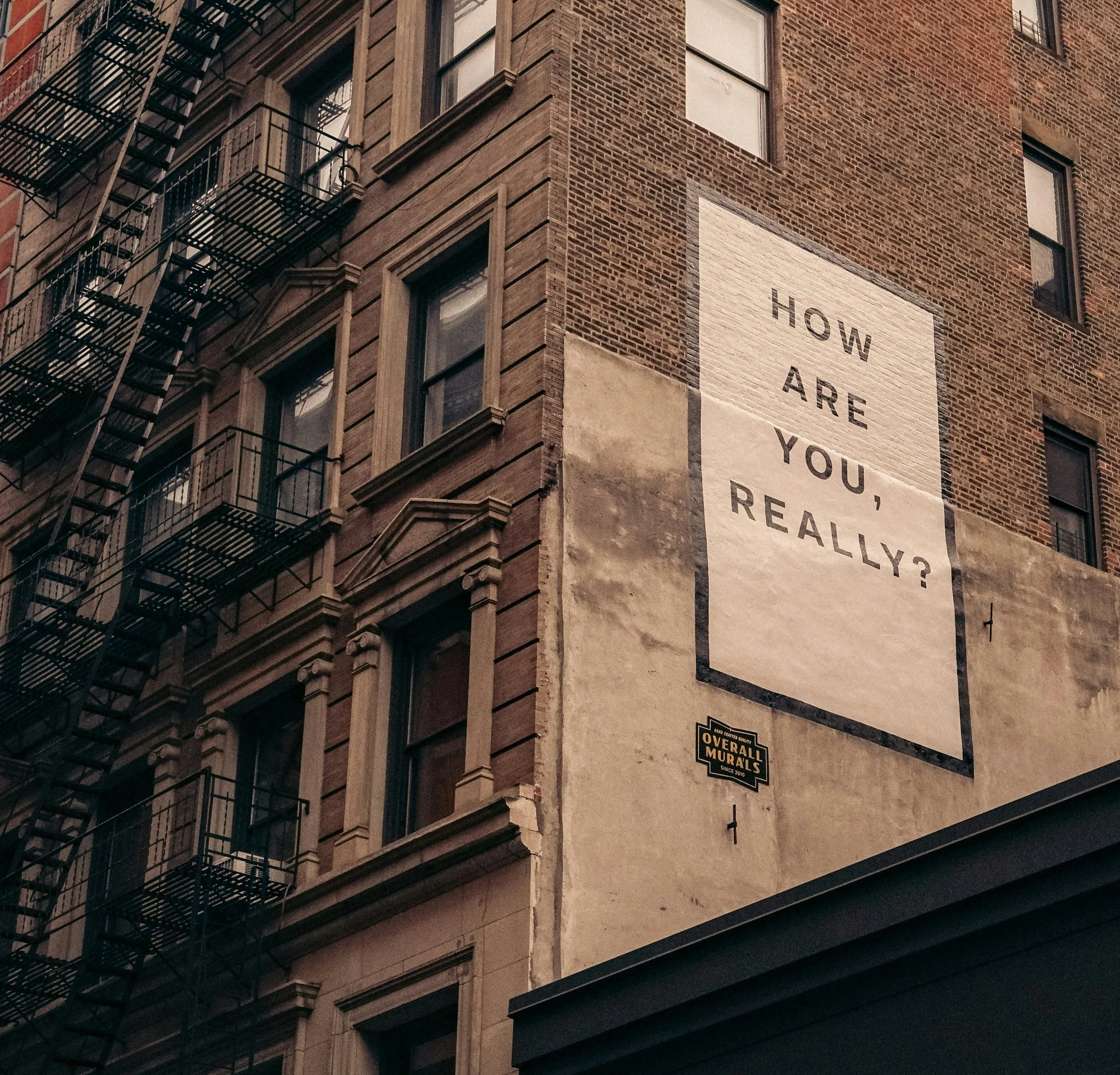
Let yourself feel your feelings. All of them, not just the "good" ones.
This sounds obvious, but I spent years ignoring it. I pushed my feelings down, stuffed them, pretended they weren't there. And eventually? They exploded out of me.
I'd blow up over minor, inconsequential things and have no idea why my reaction was so intense. Turns out, when you shove your feelings down long enough, they don't disappear. They just wait.
The Message I Learned
Somewhere along the way, I learned that any feelings that weren't happy or "nice" were inappropriate, especially for a girl. Sugar and spice and everything nice, that's what little girls are made of.
I had a lot of feelings that weren't considered nice. And I believed I couldn't voice them.
So I became really good at pretending things didn't bother me when they clearly did. I thought I had it under control.
I didn't.
When Gratitude Became a Shield
I believe in gratitude. I believe in looking for the positive. I write in a gratitude journal regularly. These practices have genuinely improved my life.
But in 2024, I learned something important: you can use gratitude as a weapon against your own feelings.
In May, my husband and I were in Spain walking the Camino de Santiago. I fell and broke my arm. It was painful, traumatic, and derailed the trip we'd been planning for months. But I was handling it or so I thought.
Three days before we were supposed to fly home, I got the news. My 82-year-old mother had fallen and broken multiple bones. At first, she seemed okay, joking that she was trying to outdo me by breaking more bones than I had. By the next day, she was gone.
I wasn't there. My sisters were with her, their husbands, a granddaughter. But I wasn't there to say goodbye.
For months afterward, I did what I thought I should do. I focused on gratitude. I told myself how thankful I was that Mom had been surrounded by family when she died. I was grateful she didn't suffer, that she went quickly. I was grateful my own broken arm was healing well, that I hadn't needed surgery.
I kept putting a positive spin on everything because that's who I am, someone who looks for the good.
By August, I was falling apart. I couldn't stop crying. I couldn't function.
What My Therapist Told Me
I made an appointment with a therapist. I spent our first session listing all my gratitude mantras, everything I was thankful for despite the loss.
After about fifteen minutes, she stopped me.
"You've been so busy being grateful that you haven't let yourself grieve. You haven't acknowledged that it really sucked not being there when your mom died. That you didn't get to say goodbye. And you haven't let yourself grieve the loss of the trip you'd planned, yes, that's a loss too. Having your bone reset was also traumatic."
She was right. I'd been using gratitude to avoid grief.
She gave me homework: write for 15-20 minutes every day about everything that was difficult. Express the anger, the sadness, the grief without censoring myself.
I wrote. There were curse words. Lots of tears. Lots of questioning. And after several days, I started to feel better—not healed, just willing to begin the process.
Holding Multiple Truths
Here's what I learned: I can be genuinely grateful AND devastated. I can appreciate the blessings in a situation AND acknowledge that it still sucks. I can practice positive thinking AND feel angry, sad, and scared.
These aren't contradictory. They're all part of being human.
I was truly grateful my mom was surrounded by family. AND I was gutted that I wasn't there. Both things were true.
Feelings Aren't the Problem
Being honest with yourself about how you truly feel isn't the opposite of gratitude. It's not incompatible with positive thinking. It's the foundation of genuine well-being.
Some days are harder than others. Some situations really do suck. Sometimes I'm frustrated, angry, sad, or scared. Other times I'm happy, excited, joyful. Life is messy and unpredictable, and I'm a flawed human doing my best.
These days, I'm working on not beating myself up for feeling a certain way or telling myself I shouldn't feel something.
I talk to my husband, sisters, or friends about how I feel so I can work through it. I write in a journal. I sit on my back deck with tea, go for a walk, and reflect.
I let myself cry. I let myself feel angry. I let myself grieve.
You're Not Doing It Wrong
If you've been working on self-care and you're not happy every moment of every day, that's normal. If you're mad, sad, scared, or exhausted, it's okay to feel that way.
Your feelings aren't good or bad. They just are. And they're not obstacles blocking your path—they're road signs showing you where you need to go.
Write in a journal. Talk to a friend, a loved one, or a counselor. Let yourself feel your feelings simply because you need to.
Brené Brown said it best: "We cannot selectively numb emotions. When we numb the painful ones, we also numb the positive emotions."
I don't know about you, but I want to feel my life. All of it. Even when it hurts.
Because to get through something, you have to go through it.