Building Habits That Actually Support Your Goals (Or Why Motivation Is Overrated)
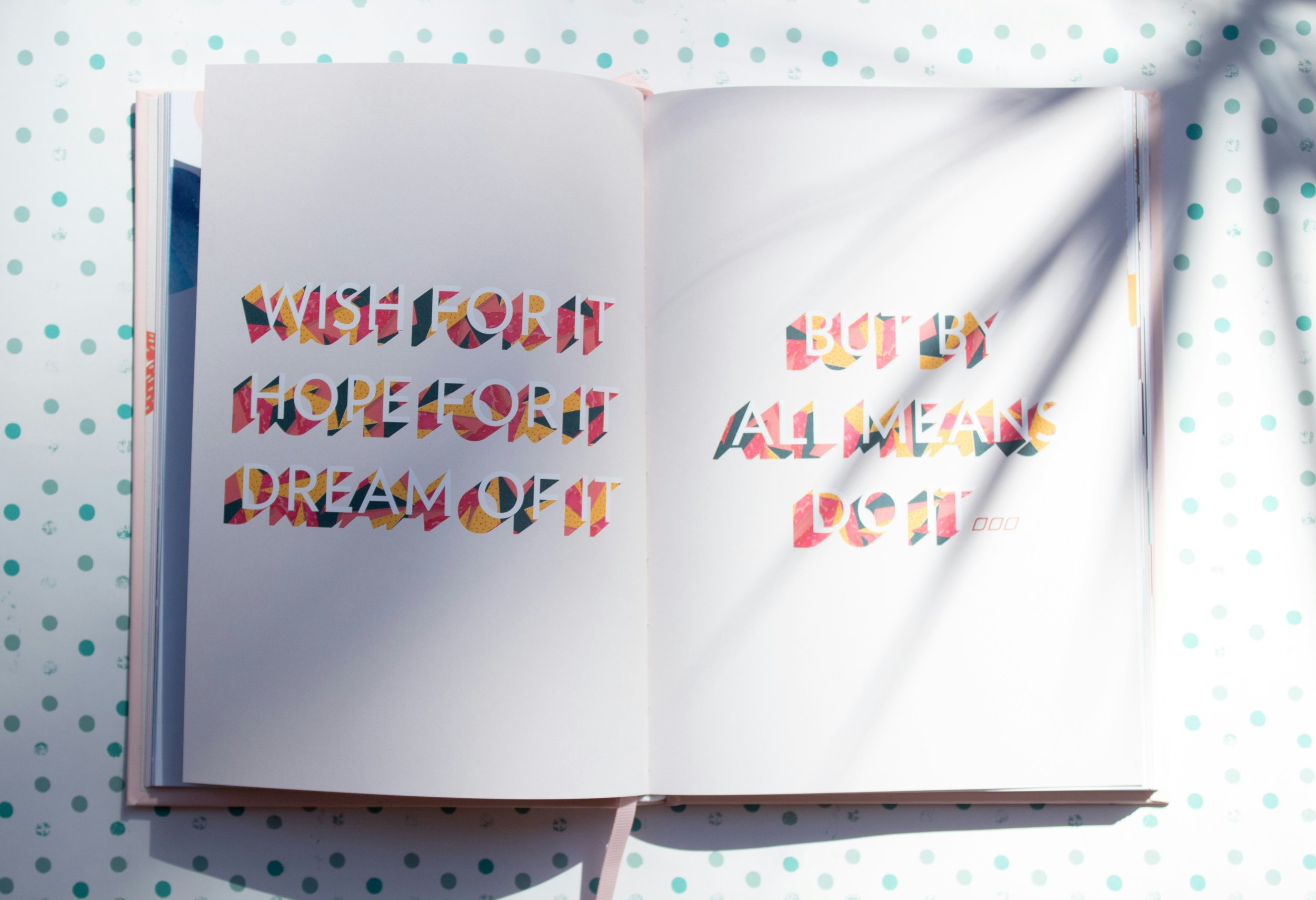
You have a clear goal. You have a compelling why. You're motivated and ready to make this happen.
And motivation is lovely. I'm not knocking motivation. But here's what nobody tells you about motivation: it's the least reliable force in behavior change.
Motivation is fickle. It shows up strong on Monday morning and vanishes by Wednesday afternoon. It's there when you're watching inspirational videos but nowhere to be found when you're tired, stressed, or it's raining. Motivation is that friend who's super enthusiastic about plans but flakes when it's actually time to show up.
What you need aren't better motivational speeches. What you need are habits: behaviors so ingrained in your life that you do them automatically, without needing to feel motivated at all.
What Habits Actually Are
Habits are behaviors you've done so many times that they've become automatic. You do them without thinking, without deciding, without expending mental energy on whether you're going to do them.
Think about brushing your teeth. You don't wake up each morning and have an internal debate about whether you'll brush your teeth today. You don't need to psych yourself up for it. You just do it. You pick up the toothbrush, apply toothpaste, brush, rinse, done. Each step flows into the next without conscious thought.
That's the power of habits. They don't require willpower, motivation, or decision-making energy. They just happen.
Now imagine if working toward your goal felt like brushing your teeth. Automatic. Non-negotiable. Just what you do.
That's what we're building.
How Habits Actually Work
Every habit follows the same basic pattern:
Cue - Something in your environment triggers the behavior (a time of day, a location, an emotion, a smell, etc.)
Routine - The behavior itself
Reward - The benefit you get from doing the behavior
Your current habits, both good and bad, all follow this pattern.
Negative habit example:
Cue: Feeling bored
Routine: Eating a bag of chips
Reward: Momentary satisfaction (even though long-term it might impact your health)
Positive habit example:
Cue: Feeling hungry or thirsty
Routine: Drinking a glass of water
Reward: Feeling hydrated and refreshed
Here's what this means for you: if your new habits don't align with your goal, you're setting yourself up for failure. If your environment is full of cues that trigger your old, unhelpful habits, you're going to struggle no matter how motivated you are.
We need to set up your life so that the habits that support your goal become automatic.
Three Strategies for Building Habits That Stick
These strategies come from James Clear, author of Atomic Habits. They're not theoretical. They're tested approaches that work when you actually implement them.
Strategy 1: Make Your New Habit So Easy You Can't Say No
This is the most important and most ignored piece of advice in all of habit formation.
When people decide to build a new habit, they tend to go big. "I'm going to work out for an hour every day!" "I'm going to meal prep every Sunday for the entire week!" "I'm going to meditate for 30 minutes every morning!"
And then they're confused when they give up after a week.
According to Clear, the most important part of building a new habit is consistency. It doesn't matter how well you perform on any given day. What matters is sustained effort over time. Showing up matters more than how much you do when you show up.
When starting a new habit, it should be so easy that you genuinely can't say no to it. In fact, Clear suggests it should be so easy it's almost laughable.
Examples:
Want to start an exercise habit? Aim for one minute of exercise per day. One minute.
Want to start a healthy eating habit? Aim for one healthy meal this week. Just one.
Want to start meditating? Aim for taking three deep breaths. That's it.
This probably feels ridiculous to you. One minute of exercise? That won't do anything!
But that's not the point. You're not trying to get fit in week one. You're trying to become the kind of person who exercises. You're building the identity and the consistency. The intensity comes later.
Start with something absurdly easy for 30 days. Once that habit is solidly established, once you're doing it without thinking about it, then you can gradually increase the intensity.
Clear puts it this way: "Doing something impressive once or twice isn't going to matter if you never stick with it for the long run."
Make your new habit so easy you can't say no.
Strategy 2: Understand Exactly What's Holding You Back
Most people fail at habits because they're fighting the wrong battle.
Clear shares a story about a reader named Jane who wanted to exercise consistently but always thought of herself as "the type of person who doesn't like to work out."
When Jane actually broke down what she didn't like, she realized it wasn't the exercise itself. What she hated was the hassle of getting ready, driving to the gym, and working out in front of other people. Those were her real obstacles.
Once Jane understood this, she bought a yoga video and started exercising at home two nights per week. Suddenly, exercise became sustainable because she'd removed the barriers that were actually stopping her.
Your assignment: Take time to understand what's really getting in your way. Not the surface excuse ("I don't have time"), but the actual underlying obstacle.
Do you hate your gym because it's crowded? Do you avoid cooking healthy meals because your kitchen is disorganized? Do you resist starting your side project because you don't have a dedicated workspace?
Identify the real barrier. Then engineer a solution.
You might not be able to eliminate everything you dislike, but you can make things significantly easier to deal with.
Strategy 3: Stack Your New Habit Onto an Existing One
This is called "habit stacking," and it's absurdly effective.
The idea is simple: you already have established habits throughout your day. Use these as anchors for your new habits.
The formula: After/Before I [existing habit], I will [new habit].
Examples:
"After I pour my morning coffee, I will do one minute of stretching."
"Before I check my phone in the morning, I will write down three things I'm grateful for."
"After I brush my teeth at night, I will lay out my workout clothes for tomorrow."
You're piggybacking your new behavior onto something you're already doing consistently. The existing habit becomes the cue for the new habit.
This works because you're not relying on remembering to do something new at a random time. You're attaching it to something that's already automatic.
Setting Up Your Environment for Success
Habits don't exist in a vacuum. They're triggered by your environment.
If you want to eat healthier but your kitchen is full of potato chips, you're making things unnecessarily hard. If you want to read more but your book is buried in a closet while your TV remote is on the coffee table, guess which habit you'll default to?
Make good habits obvious and easy. Make bad habits invisible and difficult.
Want to drink more water? Put a full water bottle on your desk first thing in the morning.
Want to exercise in the morning? Sleep in your workout clothes.
Want to eat more vegetables? Wash and prep them right when you get home from the grocery store.
Want to scroll social media less? Delete the apps from your phone and only access them from your computer.
You're not relying on willpower. You're designing your environment so the right choice is the easy choice.
Prepare for Imperfection (That's Next Week)
Here's the truth: you won't be perfect when starting a new habit. None of us are. You'll have setbacks. You'll miss days. Life will get in the way.
The difference between people who succeed and people who give up is having a plan for when things go wrong.
We'll cover that in detail in the next post. For now, focus on this: start small, identify your real obstacles, and set up your environment to support success.
Your goal is to make following through easier than giving up.
This is Part 4 of a 5-part series on setting meaningful goals. In the final post, we'll discuss how to handle setbacks and keep going when life gets messy.